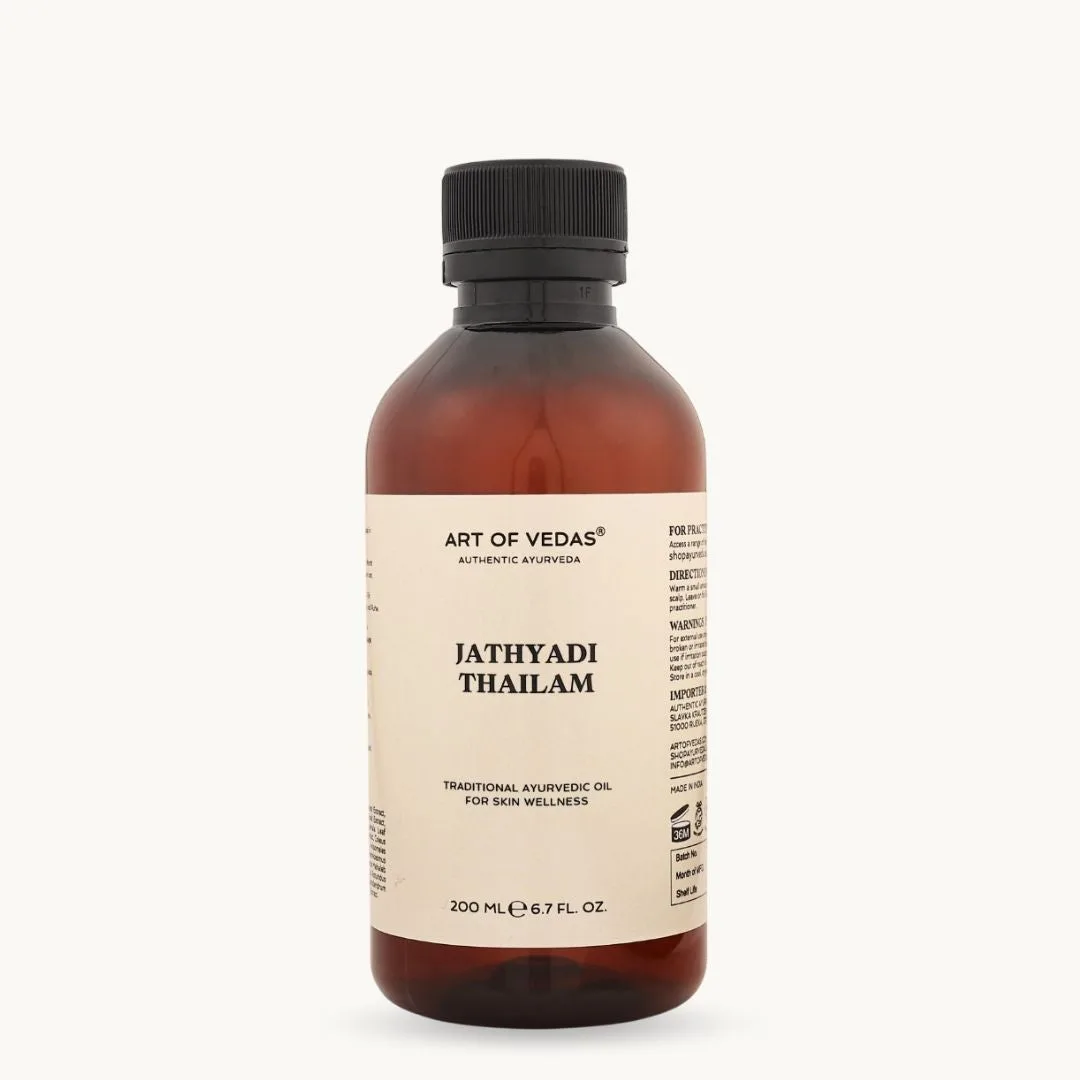
Jathyadi Thailam je klasický přípravek pojmenovaný po Jati, rostlině jasmínu, jejíž listy stojí v receptuře na prvním místě. Je postaven na základu ze sezamového oleje, je zaznamenán v klasických sbírkách a tradice po něm sahá v pečlivých rutinách pro pohodlí pokožky. Tento průvodce od Art of Vedas vysvětluje recepturu, její rostliny a místo, které může zaujmout v promyšlené evropské praxi.
Co je Jathyadi Thailam?
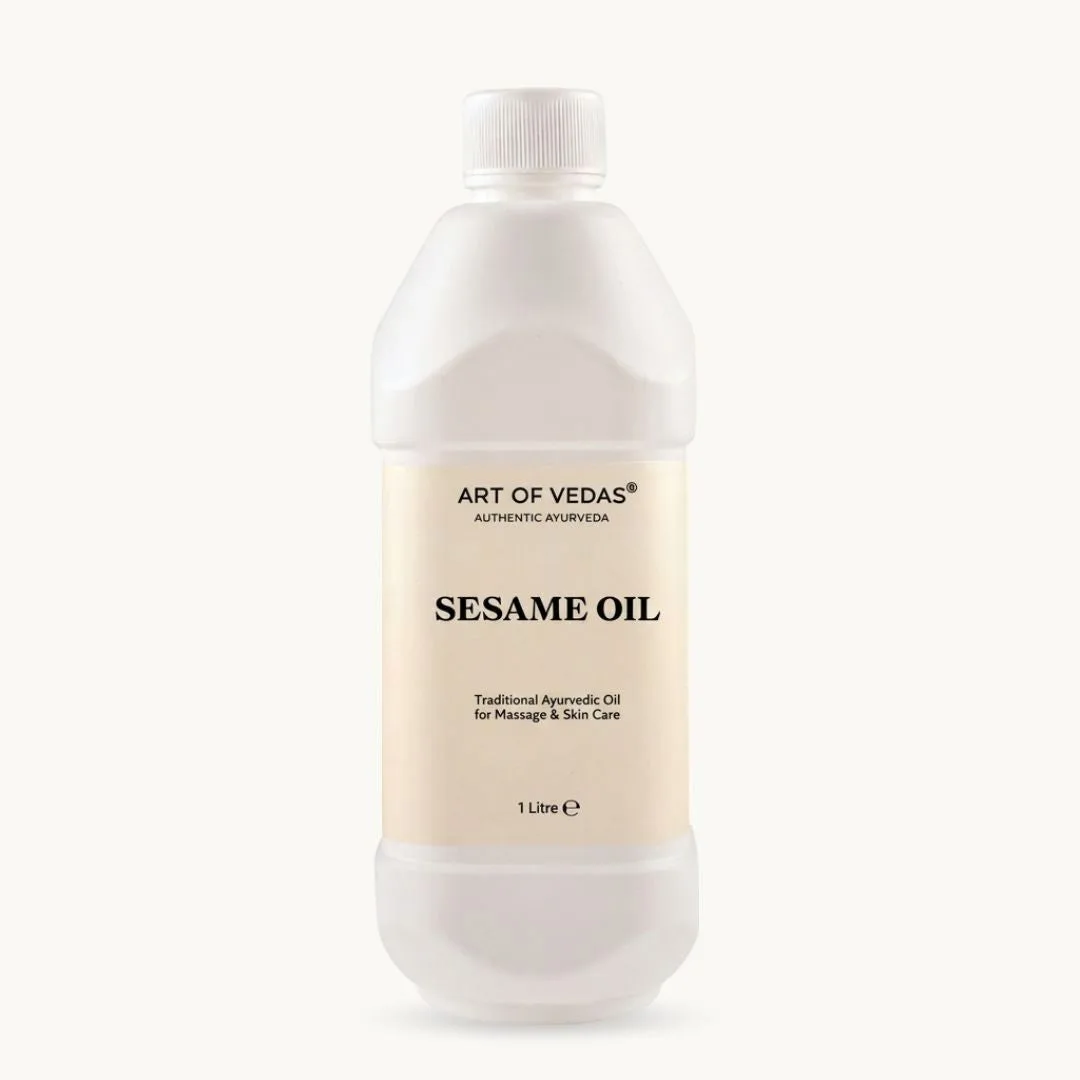
Název sám vypráví příběh: Jati je rostlina jasmínu a adi znamená „a ostatní“, což je klasický způsob, jak říci, že jasmín vede delší seznam. Jathyadi Thailam patří do rodiny klasických olejů zaměřených na pokožku a připravuje se stejně trpělivou metodou jako ostatní velké oleje Thailam: sezamový základ se pomalu zpracovává s bylinným odvarem a pastou, dokud nenese charakter svých rostlin. Jde o přípravek pro zevní použití, nanášený v malém množství na vybraná místa pokožky, nikoli používaný k masáži celého těla.
Složení oleje Jathyadi Thailam
Čerstvý list Jati dává receptuře jméno i vedoucí úlohu. Kolem něj shromažďuje klasický předpis promyšlenou společnost: list Nimba, v Evropě známý jako neem; Haridra, oddenek kurkumy; Manjistha; a další doplňující rostliny tradičního repertoáru pro pokožku, vše zapracované do za studena lisovaného sezamového oleje. Receptura se odvděčuje pomalé přípravě a hotový olej nese sytou bylinnou barvu a tichou, zelenou vůni. Úplné složení našeho oleje Jathyadi Thailam je uvedeno na stránce produktu.
Tradiční použití a charakter
V klasickém pojetí je Jathyadi Thailam přípravkem pro pokožku, která si žádá zvláštní péči: pro místa, jež prošla třením, suchostí nebo běžnými nároky tělesného života. Jeho rejstřík je jemný a cílený spíše než široký.
- Tradičně volen pro cílené rutiny pro pohodlí pokožky
- Sezamový základ s lehkou, dobře roztíratelnou texturou
- Receptura z jasmínového listu s dlouhou zaznamenanou tradicí
- Vhodný pro malé, uvážené aplikace na vybraná místa
- Dostatečně jemný pro pravidelné používání v ustáleném režimu
Jak Jathyadi Thailam používat
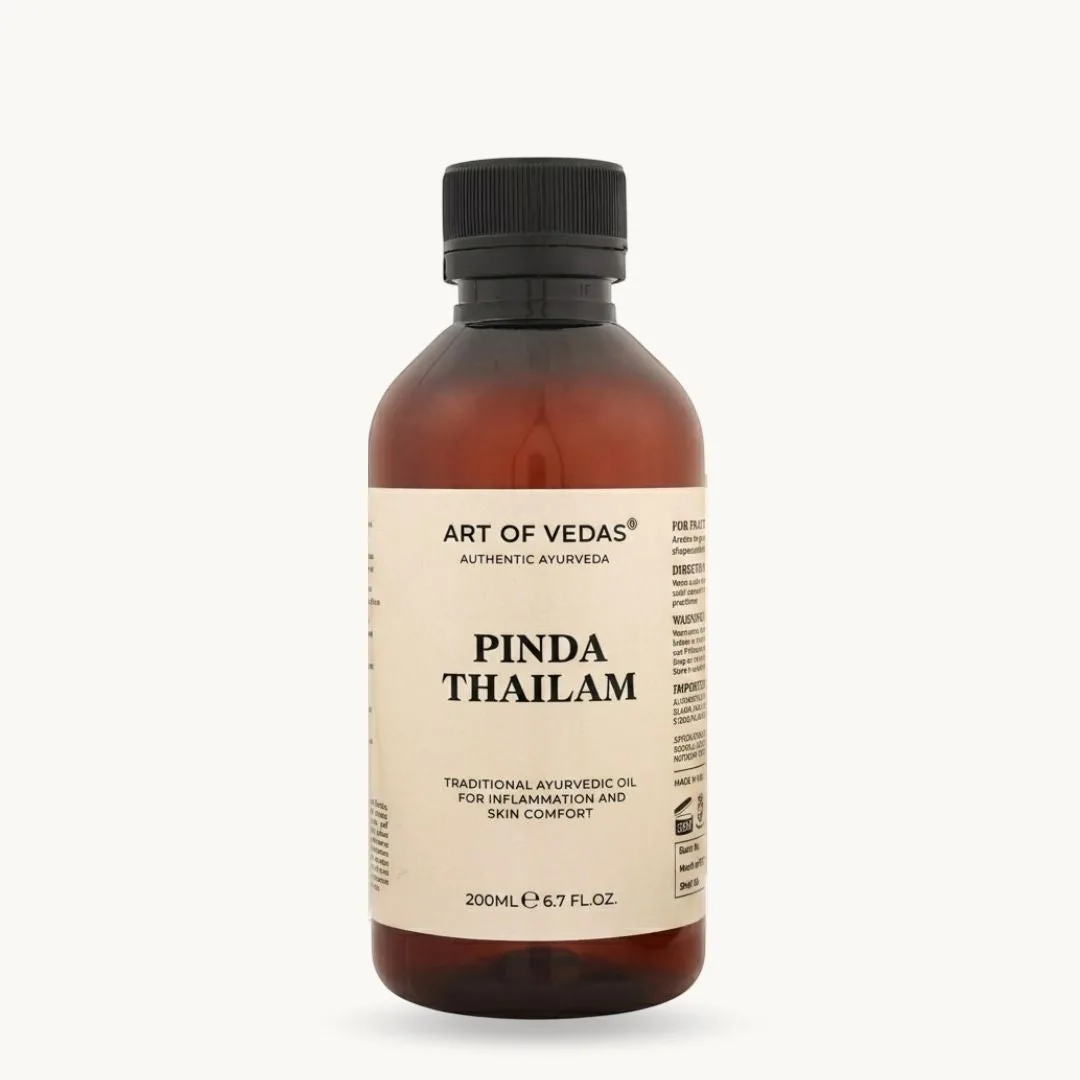
Před prvním použitím proveďte test na malé ploše. Poté naneste malé množství, o pokojové teplotě nebo krátce zahřáté ve vodní lázni, na vybrané místo jednou denně nebo podle možností vašeho režimu a dopřejte oleji čas na vstřebání. Kdo si buduje ucelenější péči o pokožku, najde přirozený doprovod v našem průvodci používáním oleje Pinda Thailam na pokožku, a čtenáři, kteří chtějí porozumět dalším klasickým formám včetně prášků, mohou nahlédnout do našeho průvodce Churnam, klasickým bylinným práškem.
Jathyadi Thailam a Murivenna
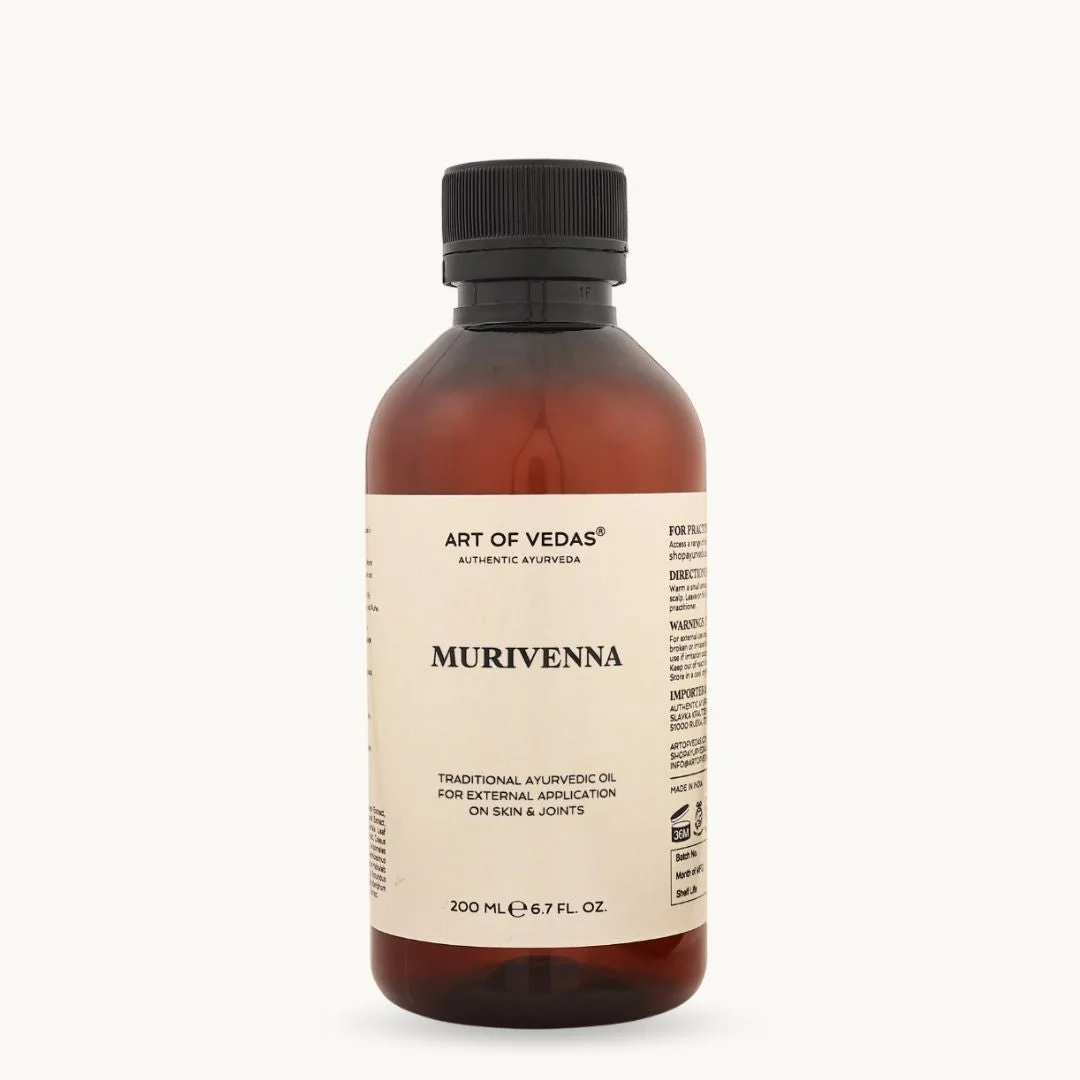
Oba přípravky bývají zmiňovány jedním dechem a co do účelu jsou skutečně sourozenci: oba patří repertoáru pro pohodlí pokožky. Rozdíl je v základu. Murivenna stojí na kokosovém oleji, lehkém a chladivém; Jathyadi Thailam stojí na sezamu, teplejším a výraznějším. Mnohé domácnosti mají doma oba a nechávají rozhodnout sezonu a pokožku. Náš průvodce olejem Murivenna popisuje kokosovou klasiku v úplnosti a samotný přípravek je k dispozici jako olej Murivenna.
Často kladené otázky
Co znamená Jati?
Jati je sanskrtský název rostliny jasmínu. Jathyadi znamená „jasmín a ostatní“ a odkazuje na list, který klasické receptuře vévodí.
Je Jathyadi Thailam vhodný na obličej?
Je sestaven pro tělo. Pokud jej chcete použít na pokožku obličeje, proveďte nejprve test na malé ploše a zůstaňte u velmi malého množství; vhodnější volbou bývají oleje určené přímo pro obličej.
Má se před použitím zahřát?
Lze jej použít o pokojové teplotě nebo jemně zahřátý ve vodní lázni. Měl by být příjemný, nikdy horký.
Čím se Jathyadi Thailam liší od oleje Murivenna?
Jathyadi Thailam je na sezamovém základu a vede jej jasmínový list; Murivenna je na kokosovém základu a vedou ji aloe a betelový list. Oba slouží pečlivým rutinám pro pokožku, každý však s jiným temperamentem.
Lze jej používat denně?
Tradice považuje pravidelné, umírněné používání za jeho přirozený rytmus. Pro osobní rozvrh doporučujeme vedení kvalifikovaného ájurvédského praktika.
Tento článek popisuje tradiční ájurvédské postupy pro zevní použití a slouží pouze k obecné informaci. Nepředstavuje radu. Před zahájením nového režimu se prosím poraďte s kvalifikovaným ájurvédským praktikem nebo se svým lékařem a před prvním použitím proveďte test na malé ploše.