Ayurveda dává chodidlům vlastní rituál. Padabhyanga (tradiční ayurvédská masáž chodidel teplým olejem) není zkrácená masáž těla ani kosmetická pedikúra; je to úplná, samostatná praxe s vlastním olejem, vlastním načasováním a stálým místem v klasické denní rutině. Pada je chodidlo, Abhyanga olejová masáž, a tato dvojice je jedním z nejstarších zvyků, které tradice udržuje.
Praxe z denní rutiny
Ashtanga Hridayam, jeden z hlavních klasických textů, počítá olejování chodidel mezi úkony Dinacharyi (každodenní ayurvédská péče o sebe sama). Stará logika je praktická: chodidla nesou celý den a tradice má za to, že péči jim věnovanou v noci pocítí celý člověk. V mnoha indických domácnostech to bylo prostě to, co dělali prarodiče každý večer, o nic pozoruhodnějšího než umytí před spaním.
Jak praxe vypadá
Teplý olej, obě chodidla a pár nespěchavých minut před spánkem. Palce zpracovávají plosky pomalými kruhy, poté paty, klenby a každý prst po řadě. Poté se nazují bavlněné ponožky, aby olej zůstal tam, kam patří, a den je formálně uzavřen. Celá praxe zabere méně času než poslední večerní listování v telefonu, což je přesně ta výměna, kterou tradice navrhuje.
Proč zrovna chodidla
Chodidla drží jednu z nejhustších koncentrací bodů marma (vitální body klasické ayurvédské mapy těla), a proto tradice zachází s touto drobnou masáží s úctou nepoměrnou k její velikosti. Pomalý tlak přes plosky dosáhne na celou klasickou mapu nohy; náš průvodce body marma na chodidlech tuto mapu kreslí podrobně. Pravidelní praktikující popisují totéž co texty: chodidla zůstávají měkká a opečovaná, nohy jsou na konci dne lehčí a spánek přichází snáz ve večerech, kdy se rituál drží.
Olej
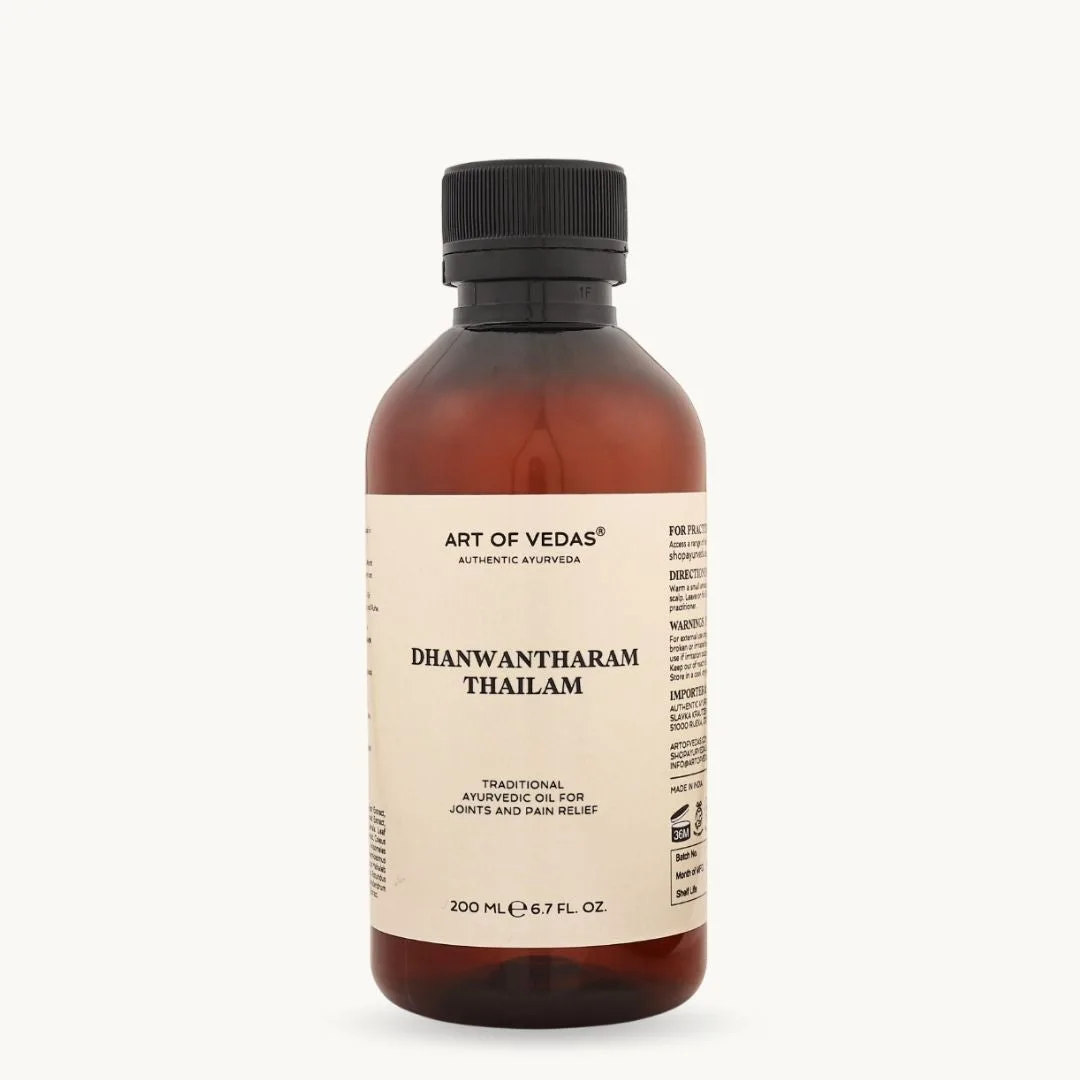
Chodidla žádají od oleje víc než většina kůže: musí změkčit tvrdě pracující plosky, a přece se vstřebat, aniž by zanechal mastný film. Náš olej Padabhyanga byl složen přesně pro to, osm rostlinných olejů nesoucích Haritaki, růži a mírné hřejivé koření, stvořený pro poslední tiché minuty večera. Podrobný postup najdete v našem průvodci domácí praxí.
Pouze pro vnější použití. Nenahrazuje odbornou radu.